

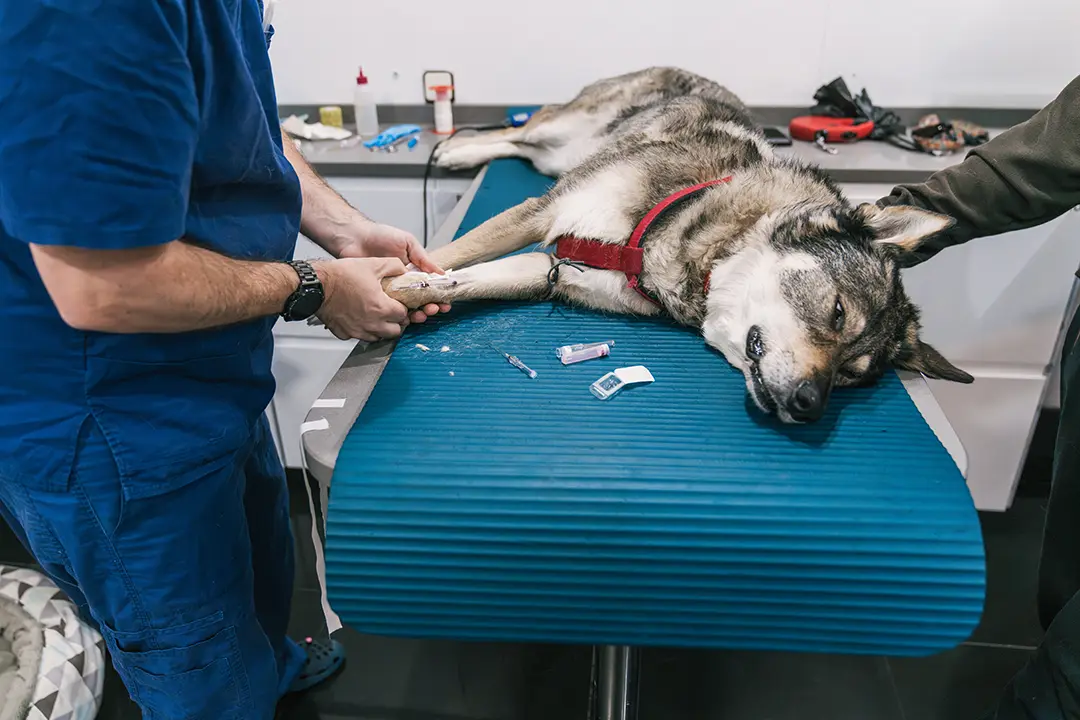
Why Pet Blood Donation Matters More Than You Think
Category: Pet Health & Awareness
When we think about blood donation, we think about people. Hospitals. Emergency rooms. Life-saving calls in the middle of the night.
What most pet parents do not realise is this. Dogs and cats need blood too.
And when they do, time is everything.
Behind every successful emergency surgery, trauma recovery, or critical illness treatment, there is often one silent hero. A healthy donor pet who made it possible.
The Hidden Emergency No One Talks About
Every day, veterinarians face situations where blood transfusions are the only way to save a life:
- Road accidents
- Severe tick fever
- Major surgeries
- Immune-mediated diseases
- Complications during delivery
- Cancer-related anaemia
Unlike human hospitals, many veterinary clinics do not have immediate access to organised blood banks. In critical cases, vets often scramble to find a compatible donor within hours.
That is where pet blood donation becomes vital.
Why It Is More Urgent Than You Think
Animals cannot wait days for matched blood. Many conditions progress rapidly. A delay of even a few hours can mean the difference between survival and loss.
In India, structured and ethical pet blood banking is still developing. Most transfusions happen through emergency calls, informal donor groups, or last-minute outreach.
A reliable blood bank ensures:
- Screened, healthy donors
- Accurate blood typing and cross-matching
- Safe storage and handling
- Immediate availability during emergencies
It removes chaos from crisis.
The Science Behind It
Just like humans, dogs and cats have different blood groups.
Dogs have multiple blood types, with DEA 1.1 being one of the most significant. Cats primarily have A, B, and AB types. Mismatches can be fatal.
A well-managed blood bank:
- Tests donor blood groups
- Screens for infections
- Follows safe collection protocols
- Monitors donor health over time
This is a medical process built on safety and precision.
Is It Safe for Donor Pets?
This is the first question every responsible pet parent asks, and rightly so.
Yes, when conducted under veterinary supervision, pet blood donation is safe.
Healthy dogs donate a controlled volume of blood, and their bodies naturally replenish it within days. Donors are examined before, during, and after donation to ensure complete safety.
In ethical blood banking:
- Donations are voluntary
- Frequency is regulated
- Health checks are mandatory
- Donor wellbeing comes first
No pet should ever be stressed, overused, or pressured.
The Real Impact
One donation can save up to three lives, depending on how the blood is processed into components such as packed red blood cells and plasma.
One healthy dog could save:
- A puppy with parvovirus
- A senior dog undergoing surgery
- A street animal injured in an accident
This is community care in its truest form.
Building a Culture of Canine and Feline Heroes
In many countries, organised pet blood banks are standard. In India, we are just beginning to build this ecosystem.
Awareness is the first step.
When pet parents understand that:
- Their dog can safely donate
- Their cat could save another life
- Emergencies happen without warning
The mindset shifts from “Why should I?” to “How can I help?”
You Never Know When You Might Need It
The pet who receives blood tomorrow could be your own.
Supporting organised, ethical blood donation is not just about giving. It is about strengthening a system that protects all animals.
When we build a transparent and responsible pet blood bank network, we ensure that no veterinarian has to say, “We could not find blood in time.”
That is why pet blood donation matters more than you think.
Because behind every transfusion is hope.
And behind every hope is a donor.

Leave a comment