

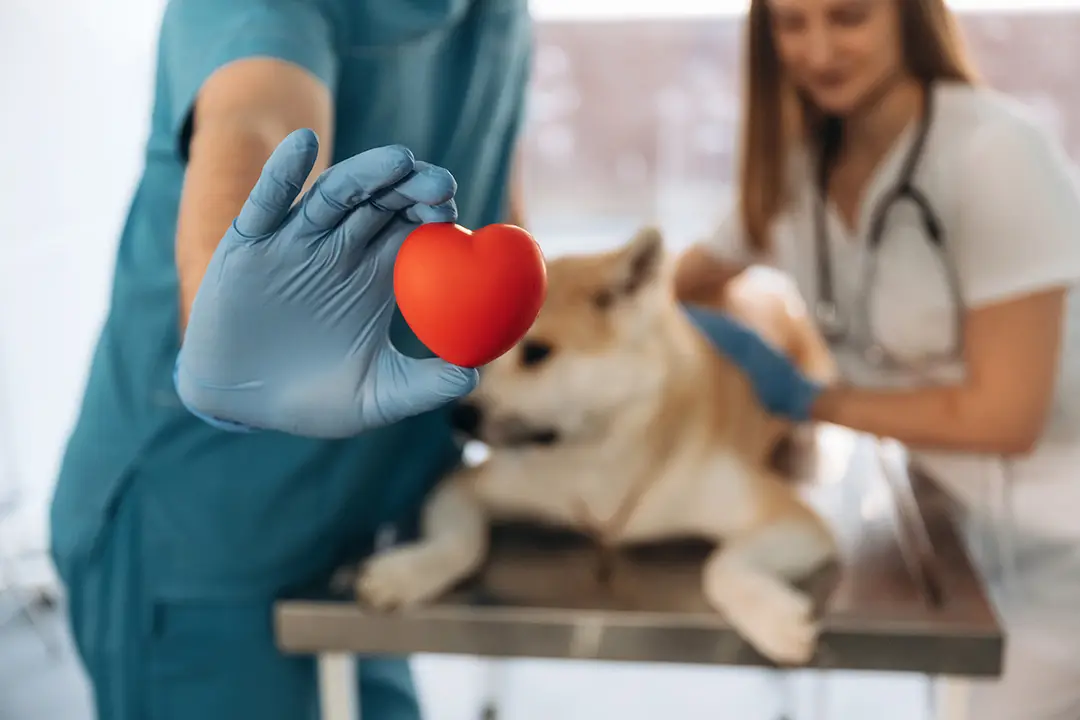
One of the first questions every pet parent asks about blood donation is simple.
Is it safe?
The short answer is yes, when the process is carried out under proper veterinary supervision and within regulated medical guidelines.
Understanding how donation works can help remove fear and replace it with clarity.
How the Body Responds to Blood Donation
Healthy dogs and cats are capable of safely donating a controlled volume of blood. The amount collected is carefully calculated based on body weight and overall health.
After donation, the body naturally replaces the fluid portion of blood within hours. Red blood cells are replenished over the following days.
This recovery process is normal and medically monitored.
What Happens Before Donation
No responsible blood bank collects blood without thorough screening.
Before a pet donates, veterinarians conduct:
- A full physical examination
- Blood typing
- Infection screening tests
- Assessment of weight and overall fitness
Only pets that meet strict eligibility criteria are approved to donate.
What Happens During the Procedure
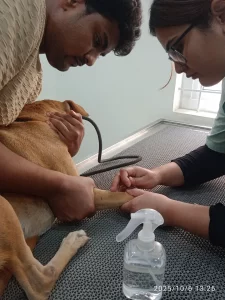
The donation process is performed using sterile equipment in a controlled clinical setting.
For dogs, the procedure is usually quick and well tolerated. Many dogs remain calm throughout.
Cats may require gentle restraint or mild sedation to reduce stress, depending on temperament and clinic protocol.
Veterinary staff monitor heart rate, breathing, and comfort levels throughout the process.
Aftercare and Monitoring
After donation, pets are observed for a short period to ensure they are comfortable and stable.
Most donor dogs resume normal activity the same day. Cats may require quiet rest after returning home.
Donation frequency is regulated. Pets are never allowed to donate too often, and follow-up checks are part of ethical practice.
Common Concerns Pet Parents Have
Will my pet feel pain?
The sensation is similar to a routine blood draw. Discomfort is minimal and temporary.
Will my pet become weak?
Healthy pets recover naturally. The collected volume is calculated to remain within safe limits.
Can donation harm long-term health?
When performed responsibly, donation does not negatively impact long-term health in healthy animals.
When Donation Should Not Happen
Pets should not donate if they are:
- Underweight
- Very young or senior
- Unwell or recovering from illness
- Positive for infectious diseases
Ethical blood banks always prioritise donor wellbeing over supply needs.
The Bigger Picture

Veterinary blood donation is not experimental. It is a structured medical practice supported by clear protocols.
When managed properly, it strengthens emergency care systems without compromising donor health.
Safety is not assumed. It is built into every step of the process.
With informed decisions and responsible oversight, pets can safely become life-saving donors for others in need.

Leave a comment