

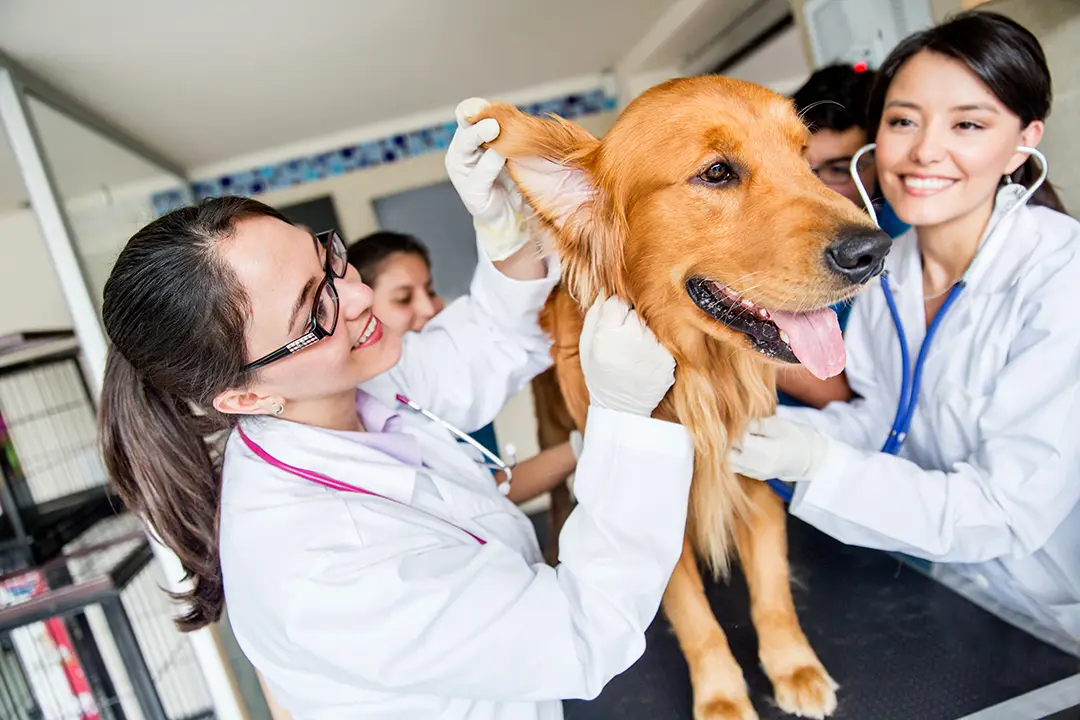
We see modern veterinary clinics. Advanced diagnostic machines. Skilled surgeons. Dedicated doctors working around the clock.
From the outside, everything looks prepared.
But inside emergency rooms across the country, there is a crisis that rarely gets spoken about.
A shortage of accessible, organised blood supply for pets.
When Treatment Exists, But Blood Does Not
Veterinary medicine in India has evolved rapidly. Complex surgeries, cancer treatments, and advanced critical care are now available in many cities.
Yet one basic requirement often stands in the way of saving a life. Blood.
In emergencies such as road accidents, severe tick fever, internal bleeding, or immune disorders, a transfusion is not optional. It is urgent.
And in many cases, clinics must depend on last-minute donor searches through personal contacts, WhatsApp groups, or social media appeals.
Sometimes it works. Sometimes it is too late.
Why This Crisis Stays Invisible
Unlike human healthcare, veterinary blood banking is still developing in India. There is limited public awareness about pet blood donation. Many pet parents do not know that dogs and cats can donate safely.
There are also logistical challenges:
- Limited organised blood banks
- Lack of structured donor databases
- Time-sensitive emergencies
- Need for proper blood typing and screening
Because this happens behind clinic doors, it rarely becomes public conversation. But veterinarians know how real the struggle is.
The Risk of Unstructured Systems
In the absence of organised systems, emergency donations may occur without proper long-term monitoring of donors. Blood matching may be rushed. Storage standards may vary.
This is not due to negligence. It is due to lack of infrastructure.
When there is no structured ecosystem, doctors are forced to operate in crisis mode.
And crisis mode should never be the standard.
The Human Cost of Delay
Pet parents who arrive at clinics during emergencies are already distressed. Hearing that blood is not immediately available adds another layer of fear.
Some families are sent searching for donors at midnight. Others post urgent appeals online, hoping someone nearby responds in time.
Behind every delay is anxiety. Behind every shortage is uncertainty.
No emergency should depend on chance.
What an Ethical Blood Bank Changes
A structured, ethical veterinary blood bank introduces stability into emergency care.
It ensures:
- Pre-screened and healthy donors
- Safe and regulated donation frequency
- Accurate blood typing and cross-matching
- Proper storage and component separation
- Immediate availability when required
It transforms reactive scrambling into prepared response.
Why Awareness Is the First Step
The silent crisis continues because not enough people know it exists.
Many pet parents would willingly volunteer their healthy dogs as donors if they understood the impact. Many would support structured blood banking initiatives if they knew how critical they are.
Change begins with awareness.
It begins with conversations like this one.
Building a Future Where No Pet Is Turned Away
Veterinary professionals are doing their part. What is needed now is a stronger ecosystem that supports them.
A future where emergency transfusions are available without panic. Where donors are respected and protected. Where no clinic has to say, “We are still trying to arrange blood.”
This is not just about infrastructure.
It is about preparedness. Compassion. Responsibility.
The crisis may be silent. But the solution does not have to be.

Leave a comment