

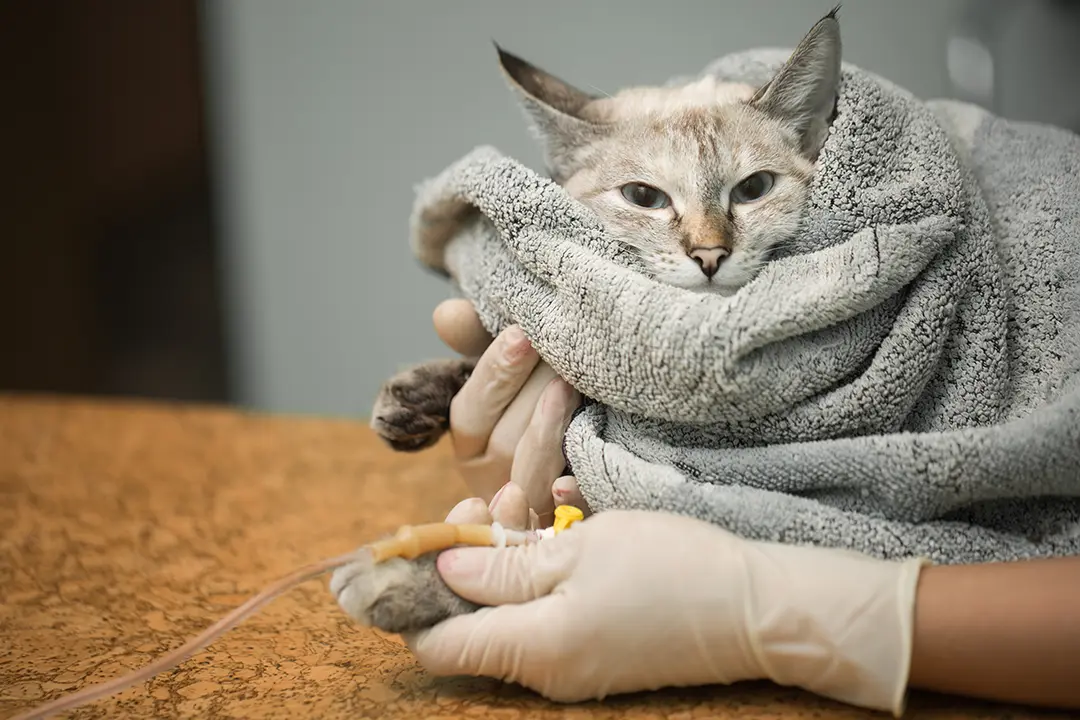
Can Dogs and Cats Donate Blood? What Pet Parents Should Know
Many pet parents are surprised to learn that dogs and cats can donate blood, just like humans.
The idea often raises immediate questions. Is it safe? How much blood is taken? Will my pet feel pain? How often can they donate?
Understanding the process helps remove fear and replace it with informed confidence.
Yes, Dogs Can Donate Blood

Healthy adult dogs can safely donate blood under veterinary supervision.
Most blood banks look for dogs that:
- Are between 1 and 8 years old
- Weigh above a minimum threshold, often around 25 kg
- Are fully vaccinated
- Are free from tick-borne or infectious diseases
- Have a calm temperament
Before donation, a veterinarian conducts a health check and blood tests to ensure the dog is fit to donate.
The collection process is controlled and typically takes a short period of time. The body naturally replenishes the donated volume within days.
What About Cats?
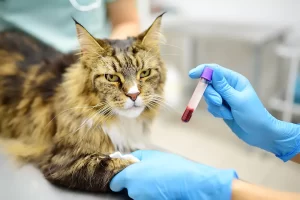
Yes, cats can donate blood too, although eligibility criteria are often stricter.
Cats usually need to:
- Be healthy and within a specific age range
- Weigh above the required minimum weight
- Be indoor pets to reduce infection risk
- Test negative for infectious diseases
Cats have distinct blood types, primarily A, B, and AB. Accurate typing is essential because mismatches can cause serious reactions.
Is the Process Safe?
When performed under proper veterinary supervision, blood donation is considered safe for healthy animals.
Safety protocols include:
- Pre-donation medical screening
- Sterile equipment and controlled collection
- Monitoring during and after donation
- Regulated donation frequency
Most donor dogs remain calm during the process and can resume normal activity shortly afterward. Cats may require gentle handling to reduce stress.
How Often Can a Pet Donate?
Donation frequency is carefully regulated to protect donor health.
Dogs are typically allowed to donate only a limited number of times per year. Cats donate less frequently due to their smaller size and stricter criteria.
Responsible blood banks prioritise donor wellbeing above all else.
Why Blood Types Matter
Just like humans, animals have blood groups.
Dogs have multiple blood group systems. Certain types are preferred for first-time transfusions. Cats have fewer blood types, but mismatches can be life-threatening.
This is why proper testing and cross-matching are essential before transfusion.
What Does Donation Achieve?
One donation can help save multiple lives, depending on how the blood is processed into components such as red blood cells and plasma.
Donor pets become silent heroes in emergencies involving:
- Accidents
- Severe infections
- Major surgeries
- Immune disorders
A Responsible Decision
Choosing to register your pet as a donor is a thoughtful decision.
It should always be based on proper medical evaluation and ethical oversight.
When structured correctly, pet blood donation strengthens the entire veterinary care ecosystem.
Healthy pets can give something extraordinary. A second chance at life for another animal.

Leave a comment