

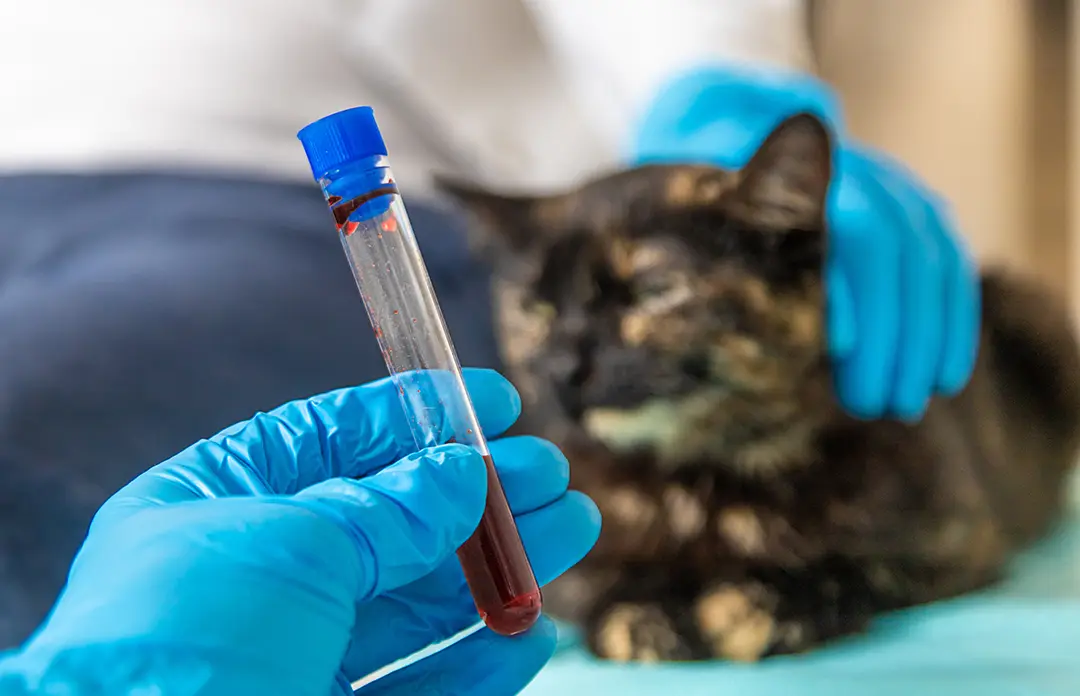
Emergencies never arrive with a warning.
A road accident. Severe tick fever. Internal bleeding. A sudden immune reaction.
In those moments, veterinarians move quickly. IV lines are placed. Oxygen is given. Diagnostic tests are run.
But sometimes, one essential requirement is missing.
Compatible blood.
Why Blood Becomes Critical
In many life-threatening situations, a transfusion is not optional. It is the difference between stabilising a patient and watching their condition deteriorate.
Blood carries oxygen. It supports clotting. It sustains organ function. Without enough of it, the body cannot recover.
For pets experiencing trauma, anaemia, toxin exposure, or major surgery complications, time is extremely limited.
The Immediate Consequences of Shortage
When blood is not immediately available, veterinarians are forced into difficult decisions.
- Treatment may be delayed while searching for a donor
- Pet parents may be asked to contact other pet owners urgently
- Online appeals may be posted in desperation
- Procedures may be postponed until blood is arranged
Each hour without transfusion increases risk.
Some pets weaken rapidly. Others may not survive the wait.
The Emotional Toll on Families
For pet parents, an emergency is already overwhelming. Adding the responsibility of finding a donor in the middle of the crisis intensifies fear and helplessness.
Many families describe calling strangers, messaging groups, and driving across the city in search of compatible blood.
In those moments, no one should have to depend on chance.
The Strain on Veterinary Teams
Veterinarians are trained to treat illness, perform surgery, and manage critical care. They should not have to operate as emergency coordinators for blood sourcing.
When there is no organised system, doctors must balance medical intervention with urgent donor searches.
This strain affects efficiency, stress levels, and ultimately patient outcomes.
Why Compatibility Matters
Not all blood is the same.
Dogs have multiple blood groups, and certain types are safer for first transfusions. Cats have distinct blood types, and mismatches can cause severe reactions.
Proper blood typing and cross-matching take time and equipment. In an unstructured emergency search, these safeguards can become rushed.
That increases risk for both donor and recipient.
How Organised Blood Banks Change the Outcome
When a structured blood bank exists, emergencies are handled differently.
- Pre-screened donor blood is stored safely
- Blood types are documented and matched accurately
- Components such as plasma and red blood cells are available
- Transfusions can begin without unnecessary delay
Preparedness replaces panic.
Instead of scrambling to find blood, the medical team can focus entirely on saving the patient.
The Question We Must Ask
If blood can mean the difference between life and loss, why should availability depend on last-minute searches?
Emergencies are unpredictable. Systems should not be.
Creating awareness about pet blood donation and supporting organised blood banking is not a luxury. It is a necessity for responsible veterinary care.
No pet should lose a fighting chance because blood was not available in time.
Prepared systems save lives. Awareness builds those systems.

Leave a comment